Earthworm Castings vs Mole Cricket Mounds - Know the Difference
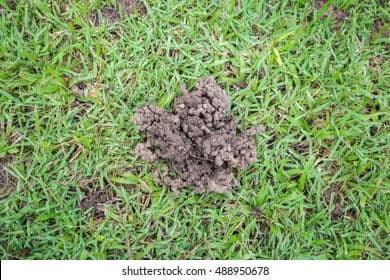
After a good rain, it's pretty common to walk outside and spot small mounds of grainy, clumped soil scattered across the grass. Most homeowners immediately think something is eating their lawn from the underground. Mole crickets are usually the first suspect. But here's the thing - not every mound means you have a pest problem.
What you're often looking at are earthworm castings. Earthworms push up through the soil after heavy rainfall, and they leave behind these small, rough-textured piles of soil as they move. They can look rough and messy, and we totally get why people panic when they see them. They do bear some resemblance to mole cricket activity on the surface.
Here's how to tell them apart. Mole cricket damage usually comes with tunneling just below the surface - you can feel the soil sponge underfoot, and you'll often see the turf lifting or dying in irregular patches. Earthworm castings, on the other hand, sit right on top of the soil in those bumpy little clusters, and the surrounding grass stays healthy. Big difference.
Earthworms are actually working in your favor. They break down organic material, improve drainage, and loosen compacted soil naturally - which makes them a perfect partner to services like core aeration. When your soil has a healthy earthworm population, it's usually a sign the ground is in decent shape. It's one of those situations where ugly on the surface doesn't mean trouble underneath.
We always say knowing what you're looking at is half the battle in lawn care. Before you treat for pests, make sure you actually have pests. If you're ever unsure what's going on in your lawn, that's exactly the kind of question we're here to help with.